Introduction
Few sourcing questions come back to buyers as regularly as paper versus foil. The two materials look interchangeable on a bakery shelf — both hold batter, both go into the oven, both present a cupcake — yet they behave differently in exactly the areas a commercial operation cares about: heat transfer at the cup wall, grease holdout on high-fat batters, stability after baking, stacking and denesting at speed, freight weight, and the sustainability claims a retail brand can legally make on the packaging. Cup programmes usually ship alongside pan lining; our custom silicone-coated baking parchment paper specs cover the sheets and rolls that pair with them.
There is no universal winner, and that is the point of this guide. The right answer depends on the batter, the bake temperature, the sales channel and the story the brand needs to tell. This comparison walks through the properties that separate the two materials — construction and oven behavior, release and grease performance, presentation and handling, cost and logistics — and closes with a decision framework by application. It is written for bakery procurement teams, foodservice distributors and private-label buyers who need to commit one way or the other for a program, or to stock both deliberately rather than by accident. Buyers verifying these specifications can review the certificate library alongside supplier documentation requests.
1. Construction and Oven Behavior
The two materials conduct heat in opposite ways, and everything else follows from that difference. Where a bakery lines trays and moulds product in the same run, our wholesale parchment paper rolls and sheets are quoted with the cup programme for a single documentation package.
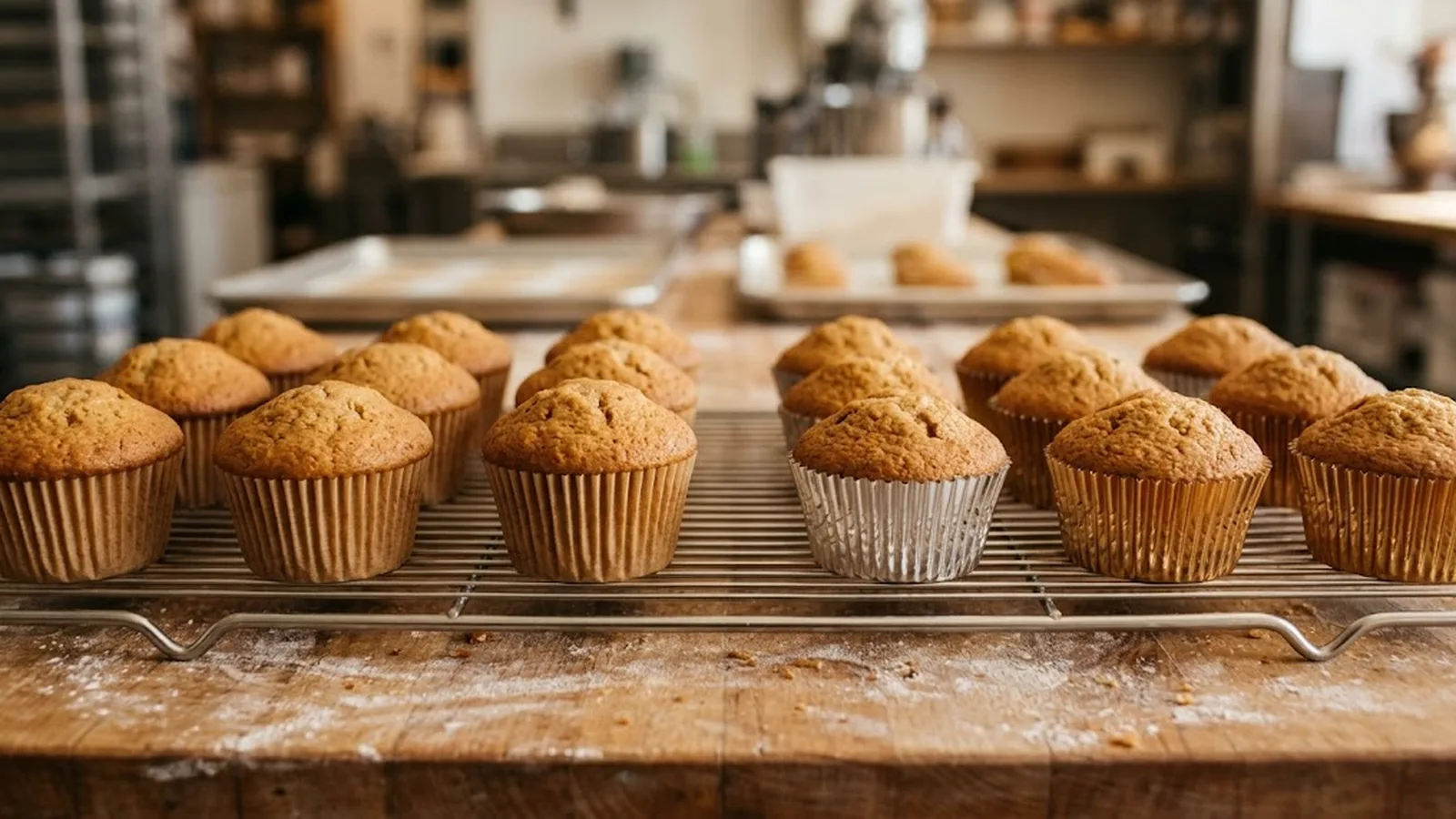
Foil cups are formed from thin aluminium, usually laminated to a paper or film layer in consumer grades, or as pure foil in foodservice formats. Metal transfers heat rapidly, so the batter at the cup wall sets and browns faster: foil-baked goods typically show a darker, crisper edge, slightly faster bake times at the rim, and a cup that holds its shape perfectly through the bake. Foil also blocks light and moisture completely, which matters for pre-filled cups on a chiller or display. The factory and certificate library lists the third-party audits and test reports behind these claims.
Paper cups — whether greaseproof, glassine or silicone-treated — insulate rather than conduct. The wall browns less, bake times run marginally longer, and the finished cupcake has a softer edge, which many bakery customers actively prefer. The trade-off is structural: a single-wall paper cup softens as it saturates with butter or oil and needs a sturdy pan or a self-supporting construction to stand upright. Modern answers to that limit include roll-mouth and fluted-wall paper cups, which trade a little material for genuine free-standing stability.
Temperature ceilings differ less than buyers expect. Quality paper baking cups are specified for oven ranges well above typical cake bakes; foil degrades mainly through decoration — printed foil can lose finish at sustained high heat where paper colors hold better. The practical question is rarely which survives the oven, but which wall behavior we want in the finished product.
2. Release, Grease and Presentation
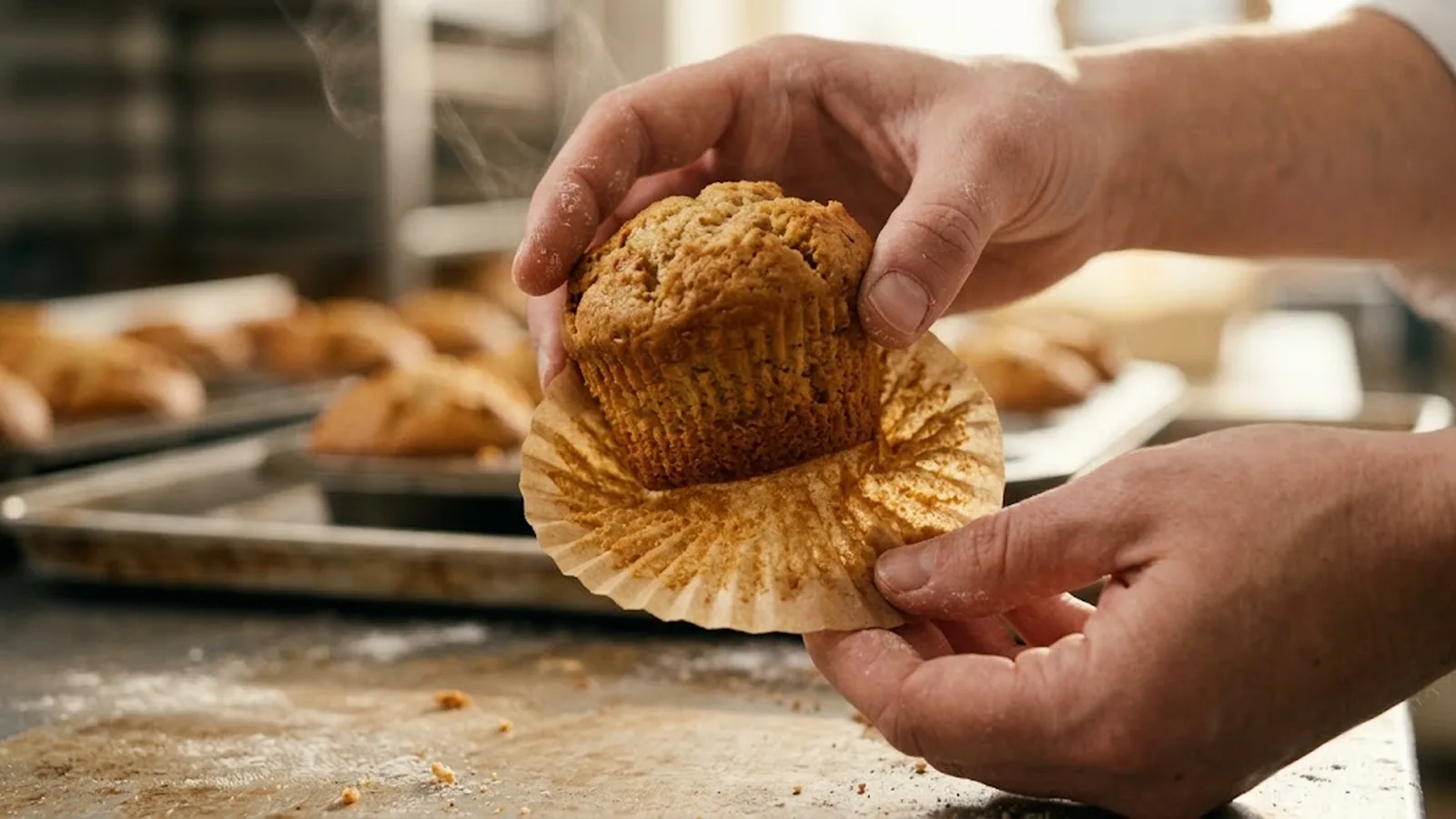
Release favors foil on the hardest cases. Caramel, toffee and high-sugar batters weld themselves to surfaces, and foil's non-stick character pulls away from these more reliably than untreated paper. Against standard butter and oil batters, however, the gap narrows to nothing: a well-made greaseproof or silicone-treated paper cup releases cleanly, and suppliers verify this with multi-bake release testing rather than promises. Buyers comparing materials should run the same batter in both cups and score release on the actual product, because release depends on the batter as much as the cup.
Grease behavior is where foil's barrier is structurally unbeatable — no oil passes through metal. Paper cups handle grease in two ways: greaseproof grades hold oil at the wall through refined fibre structure, measured by KIT rating, while lighter grades absorb it, producing the translucent, "butter-soaked" look familiar from artisan bakeries. That absorbed look is a defect in a supermarket chiller and a style statement at a farmers market stall — the buyer decides which the channel expects.
Presentation splits by aesthetic. Foil reads festive, metallic and premium in bright colors — strong for celebrations and seasonal gifting — and it keeps the cup looking untouched through display because nothing soaks in. Paper reads natural, bakery-authentic and brandable: unbleached tones, matte colors and custom printing land better on paper, and printed branding survives handling more consistently on a paper surface. For private-label programs, paper's printability and its straightforward compostability story usually settle the argument on their own.
3. Cost, Logistics and Sustainability
Per-unit prices cross over depending on grade. Commodity foil cups are inexpensive by weight of material, but laminated and printed foil rises quickly; mid-range paper cups sit at or below equivalent foil, while premium fluted or colored paper constructions can exceed it. The honest comparison is cost per served unit at equal quality.
Logistics favor paper on every axis that moves. Paper nests more tightly, stacks flatter, weighs less and survives compression in cartons better than foil cups, which crush and crease. For an import program shipping by the container, the difference in units per carton and per container is real money — often enough to offset a visible unit-price gap at origin.
Sustainability is the most consequential difference for retail brands. Paper cups are widely recyclable in paper streams where uncoated or lightly coated, and compostable versions are readily available; the corresponding claims are supported by a growing body of regulation and consumer expectation, including the EU's packaging rules pushing paper-based formats. Foil cups are technically recyclable where aluminium streams accept them, but contaminated by batter residue and too small for most sorting systems, they rarely are. A brand that wants a front-of-pack environmental claim will find the evidence file much easier to build around paper.
4. A Decision Framework by Application
The comparison resolves cleanly once the application is pinned down:
- High-fat, sticky or caramelized bakes (toffee cupcakes, glutinous rice cakes, cheesecakes served in the cup): foil, or a premium silicone-treated paper if the brand requires the paper story.
- Standard muffins, cupcakes and cakes in pans or trays: quality greaseproof paper cups — equal release, better edge texture, lower freight, brandable.
- Self-service and display cases without pans: self-supporting roll-mouth or fluted paper cups for stability; foil only where maximum wall rigidity is non-negotiable.
- Chilled and pre-filled desserts: foil's complete moisture and light barrier wins for refrigerated display life; paper needs a barrier grade or a lidded pack.
- Private-label and retail ranges: paper, for printing, compostability claims and regulatory tailwinds — unless the product profile demands foil's barrier.
- Foodservice high-volume baking: paper for cost per bake and handling speed, with foil reserved for specific festive or premium menu items.
Many operations end up stocking both deliberately: paper as the workhorse, foil as the specialist. The failure mode is not choosing the "wrong" material — it is choosing by unit price alone and discovering the behavioral differences in the complaint file.
FAQ
Do foil baking cups bake faster than paper cups?
Slightly at the rim — metal conducts heat to the batter at the wall, so edges brown sooner and bake times can shorten marginally. In practice the difference is small against standard bake profiles; the more noticeable difference is texture — foil gives a crisper edge, paper a softer one. Run a side-by-side bake trial before switching materials.
Are paper baking cups strong enough without a muffin pan?
Standard single-wall paper cups soften as they absorb butter or oil and need a pan or tray for support. Self-supporting constructions — roll-mouth and fluted-wall paper cups — are engineered to stand upright unfilled or filled, and are the standard answer for display cases, dessert counters and delivery formats.
Which is more sustainable, paper or foil baking cups?
For most retail programs, paper. Uncoated or lightly coated paper cups fit existing paper recycling and composting streams and support credible on-pack claims; foil cups are technically recyclable but rarely are in practice because of food residue and their size in sorting systems. Verify claims against your target market's rules and keep supplier documentation to back them.
Conclusion
Paper and foil baking cups are not competitors so much as different tools with different strengths. Foil brings a complete barrier, wall rigidity and a festive finish; paper brings bake texture, printability, freight efficiency and a sustainability file that retail regulation increasingly rewards. The material decision should be made where it always should have been made: on the specific batter, the specific bake, the specific channel — verified by a bake trial and a handling trial, not by a price list. Buyers standardising on one paper supplier can review our baking parchment paper manufacturing programme next to their cup specifications.
LANGMAI manufactures paper baking cups in standard, roll-mouth, fluted and custom-printed constructions, with release, grease-resistance and food-contact documentation for wholesale programs across retail, foodservice and industrial bakery channels. Контакты our wholesale team with your batter profile and pack format for samples and a paper-versus-foil comparison trial on your own product.
Sources
- EU Regulation 1935/2004 — Materials and articles intended to come into contact with food
- EU Regulation (PPWR) on packaging and packaging waste
- FDA — Food Контакты Substances: 21 CFR 176 Indirect Food Additives: Paper and Paperboard Components
- TAPPI — Technical resources for pulp and paper testing
- German BfR — Paper and board for food contact recommendations