
Introduction

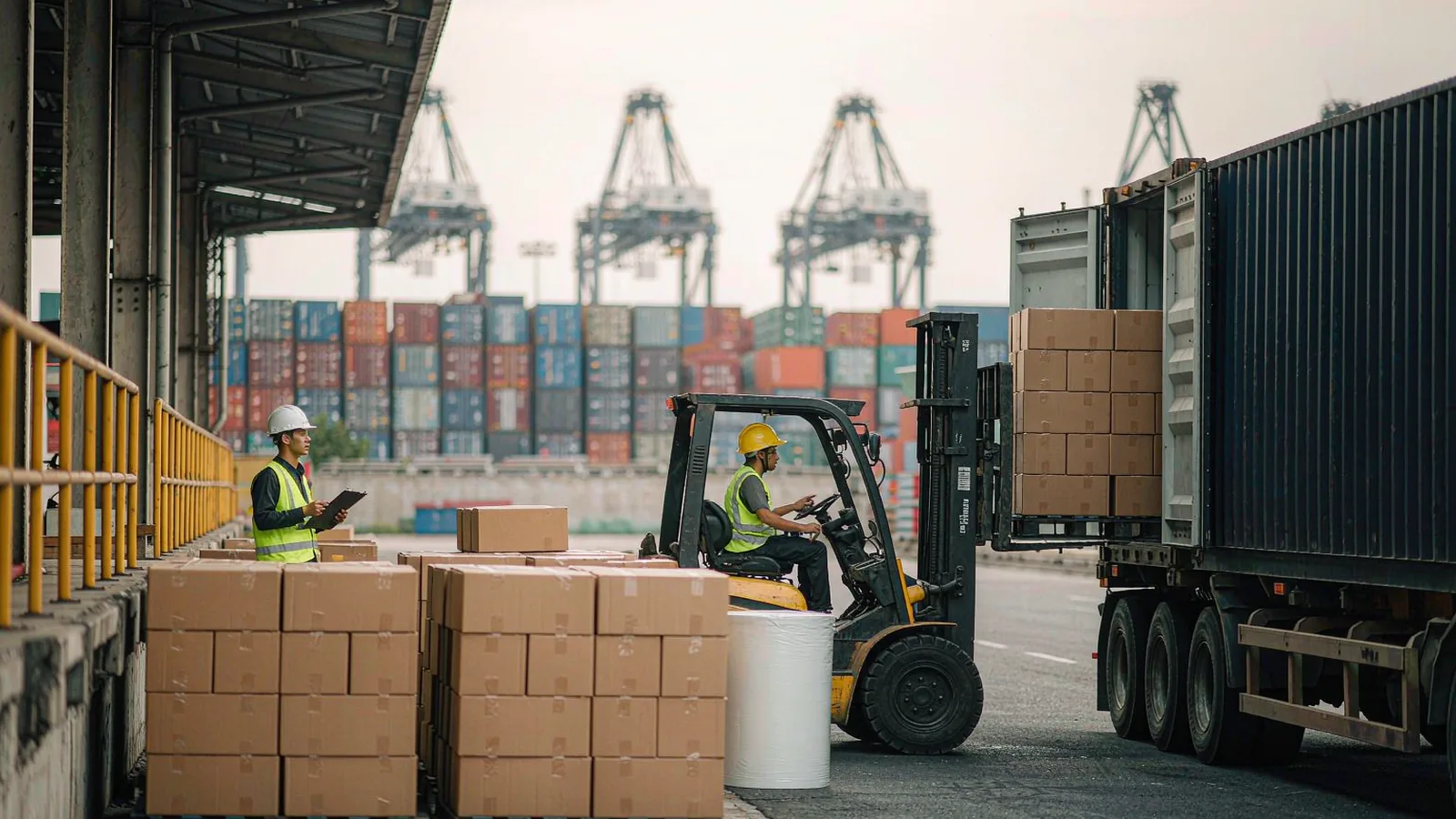
A first bulk container of baking paper is the moment a buyer stops testing suppliers and starts committing capital, and the decisions made around that first order — how many SKUs, which trade terms, when production starts, what gets inspected before shipment — shape the economics of the whole programme that follows. Unlike trial shipments, a container order is weight-limited rather than sample-limited: a twenty-foot container can carry close to twenty tonnes of coated paper, and the cost of a specification error is measured in tonnes, not cartons. This guide walks through the planning sequence first-time importers most often get wrong: sizing the order against real consumption, translating MOQ into a container mix, agreeing trade terms, building lead time around the production calendar, setting a quality gate before the goods leave the factory, and assembling the document set customs and food-safety authorities will ask for. For buyers mapping these commercial terms onto paper specifications, our silicone-coated parchment sheets and rolls page lists the constructions and formats most commonly shipped in first container orders.
1. Size the First Order Against Consumption, Not Price Breaks
The most common first-container mistake is buying to the best price break instead of to actual demand. Baking paper is dense, shelf-stable and Specification-stable, which makes it tempting to over-order — but coating constructions and cut sizes evolve, and cash parked in slow-moving stock is cash unavailable for the next negotiation. Start from a twelve-month consumption forecast per SKU, divide by planned replenishment cycles, and let the container quantity fall out of that arithmetic rather than the reverse. A useful rule for a first order: cover roughly four to six months of demand across a small number of constructions — for example, one 38–40 gsm sheet grade, one roll grade for dispensers, and one die-cut round for pans — rather than eight marginal SKUs at minimum runs. Buyers who later standardise constructions across sites will consolidate volume and unlock better pricing; a first container should leave that door open, not lock the assortment in.
2. From MOQ to a Container Mix: What Actually Fits
Manufacturer MOQs for baking paper are usually stated per construction — commonly one to two tonnes per grammage and coating combination, with lower minimums for die-cut formats that run on shared tooling. Against those minimums, the arithmetic of a container is straightforward. At 40 gsm, one tonne of paper is roughly 25,000 square metres, so a twenty-foot container loaded with 18–20 tonnes holds on the order of 450,000–500,000 m² — a figure that translates quickly into sheets, rolls or rounds once pack counts are fixed. In practice, first-time importers fill a container by allocating tonnage across three to five constructions, checking that each allocation clears its MOQ and that pallet and carton dimensions close the cube cleanly. Where one construction alone cannot justify a full load, some buyers combine categories from the same factory — cup stock alongside parchment — to reach the weight floor under a single documentation set. For production volumes, the same construction logic applies to our food-grade die-cut parchment rounds line, quoted per roll, sheet or die-cut format.
3. Trade Terms: Fix Responsibility Before the Booking
A first container should leave the factory with every commercial boundary written down: which Incoterm governs the sale, who books the vessel, who insures the cargo, and at what point risk transfers. FOB is the most common term for first-time importers of paper products because the buyer's forwarder controls the ocean leg and the landed-cost picture stays visible; CIF is workable when the buyer has no forwarder relationship yet, provided the insurance certificate is issued in the buyer's name. Payment structure usually follows a deposit-and-balance pattern — a down payment to reserve production capacity and the balance against a copy of the bill of lading — with letters of credit reserved for larger programmes once trust exists. Whatever combination is agreed, put the container count, gross and net weights, pallet configuration and discharge port on the proforma invoice, because those details drive the freight quotation, the customs entry and the warehouse receiving plan simultaneously. Trade terms are not paperwork; they are the allocation of cost and risk, and ambiguity there is expensive.
4. Lead Time: Build the Schedule Around Production, Not the Vessel
First-time importers tend to schedule backwards from a vessel departure and discover too late that production does not compress. A realistic baking paper timeline runs in stages: specification and sample approval, base paper procurement if the construction is not on the mill's continuous platform, coating and curing, converting into the ordered formats, packing and palletising, then pre-shipment inspection and container loading. For a first order with sample approval already complete, twenty to thirty-five days of production is a normal band, with the variance driven by converting queue time and peak-season base paper supply. Add ocean transit — typically four to five weeks to North America or Northern Europe from East Asian ports — plus customs clearance and inland delivery, and the honest door-to-door figure for a first container is ten to twelve weeks. Plan the first order against the season that matters, place it early, and treat the quoted production window as a planning input to verify, not a promise to assume.
5. The Quality Gate Before Loading
A container that has sailed is a cost, not a sample, so the quality gate has to sit before loading. Three checks carry most of the weight. First, a pre-production sample approval on the exact construction — grammage, coating weight, cut size, packaging print — signed and dated, with the retained sample held by both sides as the arbitration reference. Second, lot-level test documentation against the agreed specification, including release and wet-tensile values where they matter to the application, tied to the lots actually produced for the order. Third, a pre-shipment inspection — third-party if the buyer cannot attend — that verifies carton counts, pallet condition, labelling and moisture protection against the packing plan. Photographs of container loading, floor-loaded versus palletised arrangements and desiccant placement close the loop on transit risk. Buyers standardising this documentation across suppliers can review our private-label parchment paper supplier specifications and sample terms as a reference structure for the quality gate.
6. The Document Set: Customs, Compliance and Traceability
The final planning block is paperwork, and it is where first containers most often sit at the port. The commercial core — commercial invoice, packing list, bill of lading, certificate of origin — should be agreed in draft before production ends, with HS classification and declared values checked against the destination tariff schedule in advance. Because baking paper is a food-contact product, the compliance file travels with the shipment: food-contact declarations or test reports for the destination market, per-lot certificates of analysis, and material declarations covering the paper and the silicone coating system. Importers into the European Union should add one more layer: as a wood-based product, baking paper falls within the scope of deforestation regulations, and due-diligence statements with plot-level traceability for the pulp source are now part of a clean entry. Our EUDR traceability programme documents how pulp origin is recorded for shipments into the EU. An importer who assembles this file before the vessel sails clears in days; one who starts after arrival pays storage while documents chase each other.
Conclusion
A first bulk container of baking paper rewards planning and punishes improvisation. Size the order to consumption and leave constructions room to consolidate; translate MOQs into a container mix that clears minimums and closes cube; fix Incoterms, payment structure and the proforma details before booking; schedule around the production calendar rather than the vessel; hold a sample-based quality gate before loading; and assemble the customs, food-contact and traceability file while the goods are still in the factory. For buyers verifying these specifications and the certifications behind them, the factory and certificate library lists the third-party audits and test reports supporting each construction. Run that sequence once and the second container stops being an import project and becomes a replenishment order.
CTA
Planning your first bulk baking paper order? Send us your consumption forecast, target constructions and destination market, and we will return a container plan with MOQ-checked quantities, lead times and the full import document set.
Sources
- FDA — Indirect Food Additives: Paper and Paperboard Components (21 CFR Part 176): https://www.ecfr.gov/current/title-21/chapter-I/subchapter-B/part-176
- European Commission — Food Контакты Materials: https://food.ec.europa.eu/food-safety/food-contact-materials_en
- European Commission — Deforestation-free products (EUDR): https://environment.ec.europa.eu/topics/forests-and-deforestation/deforestation-free-products_en
- International Chamber of Commerce — Incoterms 2020: https://iccwbo.org/business-solutions/incoterms-rules/
- WCO — World Customs Organization (tariff and customs procedures): https://www.wcoomd.org