
Introduction
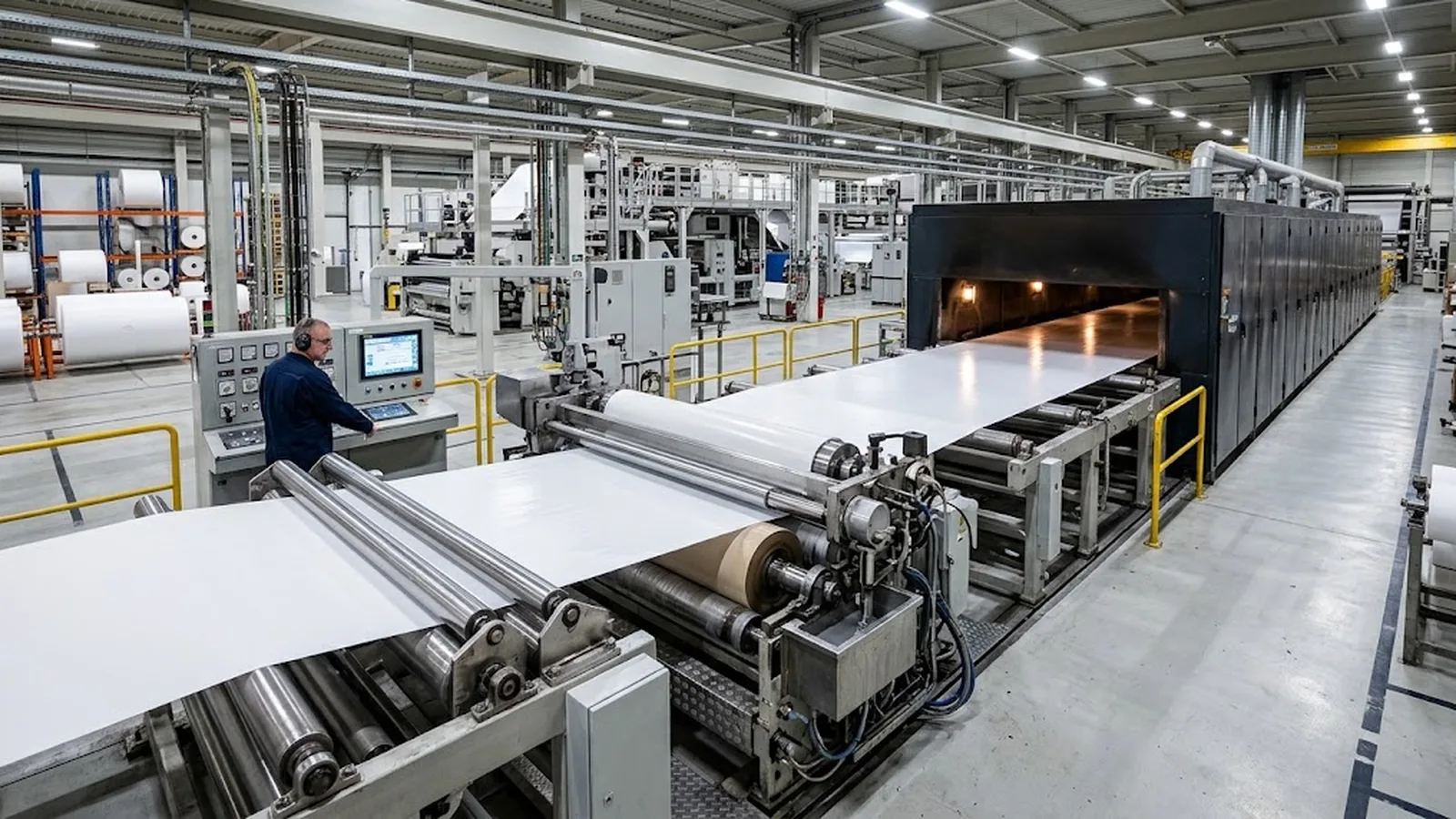
Two baking paper quotations can both say "silicone coated, 40 GSM base, 1.0 g/m² coating" and still describe products that behave differently in the oven. The variable most buyers never ask about is the silicone application system — the chemistry and process by which the release layer is applied and cured onto the base paper. There are three commercial methods in food-paper manufacturing: solvent-based coating, emulsion (aqueous) coating, and solventless (100% solids) coating. Each sets different release characteristics, odor and migration profiles, achievable coating tolerances and cost structures — and signals something about the factory that runs it. For production volumes, the same construction logic applies to our silicone-coated parchment sheets and rolls line, quoted per roll, sheet or die-cut format, with the application system matched to the format you buy.
Why the Coating System Is a Buyer-Level Specification
Most wholesale discussions stop at coating weight because it is the number printed on datasheets, but coat weight alone does not predict performance. Two papers carrying the same grammage of silicone can release differently if one coating is unevenly distributed, under-cured, or locked onto a base sheet that was wetted and dried under aggressive conditions. The application system determines how uniformly the silicone is metered, how completely it cures, how much low-molecular-weight silicone remains free to transfer, and how repeatable all of this stays across a twelve-month supply relationship.
It also predicts consistency. A factory running a modern solventless line meters silicone with gravimetric accuracy at line speeds that punish sloppy chemistry, while an older solvent line may hold wider tolerances but offer very low coat weights on certain constructions. Neither is automatically better; what matters is that the system matches the product promised. The factory and certificate library lists the third-party audits and test reports behind the coating and cure claims a supplier makes, so those claims can be checked against equipment reality before volumes are committed.
Solvent-Based Silicone Systems: The Legacy Method
Solvent-based coating dissolves the silicone polymer in an organic solvent, applies it to the paper, evaporates the solvent in a drying oven, then cures the silicone onto the fibre surface. Its historical strengths are excellent wetting of the base sheet and the ability to lay down very low, even coating weights — which is why some ultra-light constructions and coated glassine-type products still specify it. The trade-offs sit on the manufacturer's side but eventually reach the buyer's invoice: solvent recovery or incineration requires capital equipment and energy, environmental compliance adds cost, and drying ovens cap line speeds. Newer converting plants rarely invest in solvent lines today, so when a quotation is built on this system, it is usually an older asset. That is not disqualifying, but it should prompt questions about the age of the cure oven, solvent recovery controls and coat-weight consistency across full runs.
Emulsion (Aqueous) Silicone Systems: The Volume Workhorse
Emulsion coating disperses the silicone in water, coats it onto the paper, and then removes the water and cures the film in a drying section. Because there is no organic solvent to recover, this system avoids most of the environmental overhead of solvent lines and has become the common default for food-contact baking papers in many regions. Its economics suit standard sheet, roll and die-cut volumes, and water-based chemistry fits comfortably alongside food-contact documentation.
The engineering challenge is different from solvent systems: all that water has to go somewhere. High-temperature drying loads energy into the sheet, and a base paper that absorbs moisture and heat unevenly can come out with curl, blister marks or an uneven silicone film — the classic root causes behind "same spec, worse release" complaints. Buyers evaluating an emulsion-coated construction should therefore ask how the dryer profile is controlled and how flatness is verified at the roll edges, where aqueous systems show their discipline or their shortcuts.
Solventless (100% Solids) Systems: Consistency at Speed
Solventless coating applies liquid silicone containing no carrier at all — 100% solids metered through precision application heads and cured immediately, typically with platinum-cure chemistry. Nothing needs to be evaporated, so the line runs fast, energy use per square metre drops sharply, and coat weight control becomes a metering question rather than a drying question. The practical consequences for buyers are tighter release-force consistency within a roll and between lots, low residual volatiles (which matters for odor transfer in enclosed packaging), and constructions that hold performance across multi-bake cycles. The constraints are equally real: solventless heads demand a smooth, closed base sheet, and some machine platforms cannot reach the very lowest coat weights that solvent systems can achieve — which is why some light-duty retail constructions still use other methods. For commercial bakery volumes — sheets running under heavy-oil batters, rounds cycling through rack ovens all day — solventless capability is usually the strongest signal a parchment factory can offer.
How the Coating System Shows Up in Test Data
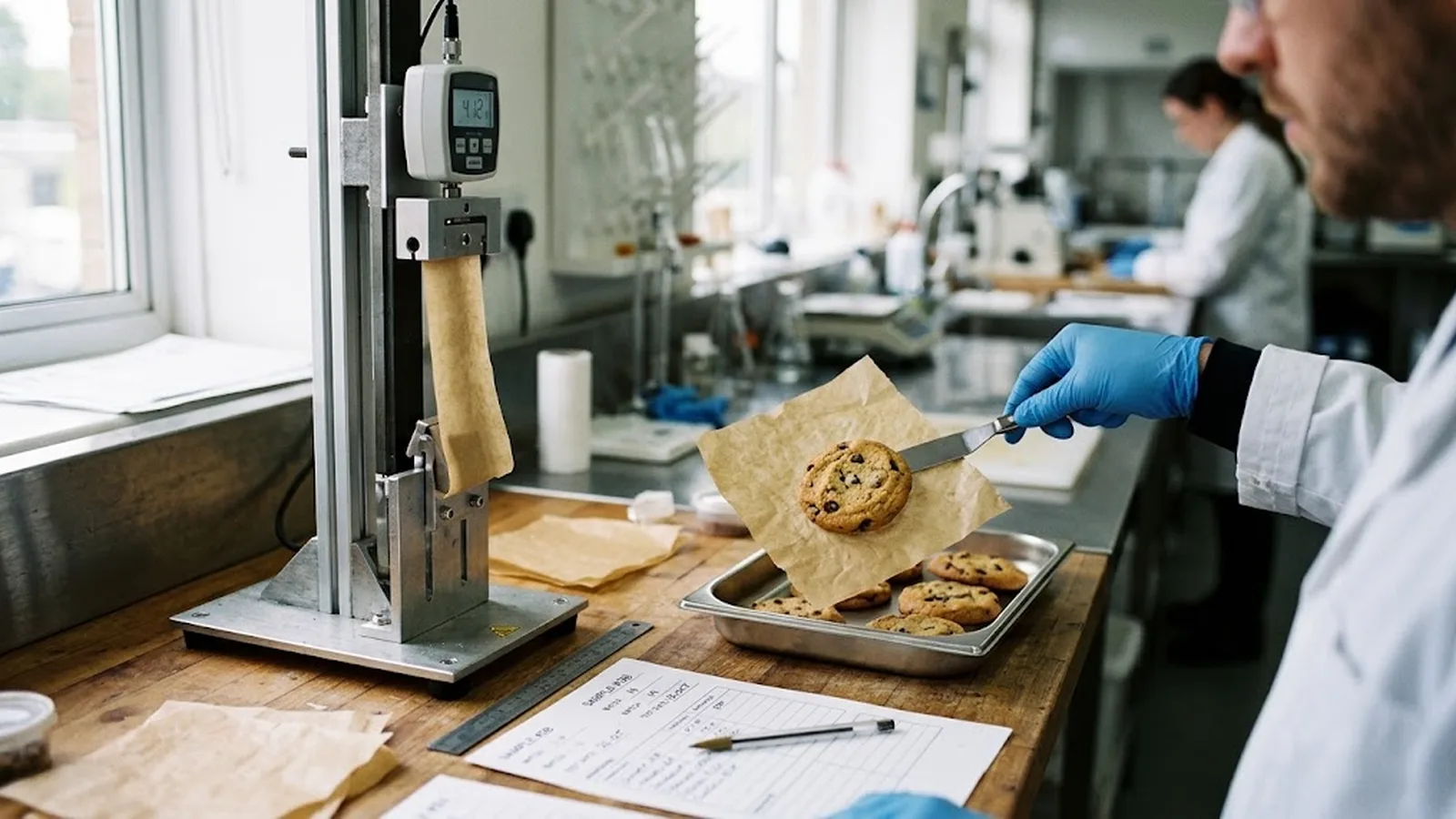
The system a supplier runs is visible in the documents attached to each lot, if you know where to look. Release force should be reported as a range with a target, not a single average — a wide spread suggests coating distribution problems rather than a chemistry problem. Multi-bake release retention data shows whether the silicone network is fully cured or will exhaust after the first few bakes. Total migration figures and sensory (odor and taint) results indicate how much low-molecular-weight silicone remains mobile, which is where under-cured films give themselves away. Cure verification, often expressed as extractable percentage, ties the chemistry to the promise. A buyer reviewing a certificate of analysis should expect these numbers to reference the exact construction quoted, and our wholesale parchment paper rolls and sheets programme publishes the test data behind each grade so specifications can be verified before ordering.
RFQ Questions That Separate the Systems
A quotation that cannot answer five questions is a price, not a specification. First: which application system produces this construction — solvent-based, emulsion or solventless — and on what vintage of equipment? Second: what coat weight tolerance does the line hold, expressed per square metre across a full production run? Third: what cure chemistry is used and what extractables level is accepted at release? Fourth: what release-force consistency is documented within a roll and between lots? Fifth: how are flatness and odor verified on the finished sheet before dispatch? Buyers running high-speed depositing or sheeting lines should add a sixth question about performance at line temperatures, since drying history in an aqueous system directly affects curl downstream. Suppliers who answer these questions with test reports, rather than reassurance, are the ones whose pricing can actually be compared like for like.
FAQ
Does the coating system change the food-contact compliance position?
It can. Migration behaviour depends on how completely the silicone network cures, so the application system and cure chemistry influence the test conditions and results behind an FDA or LFGB report. Compliance documents should always be issued against the specific construction, not a generic "silicone coated" description.
Is one coating system better for multi-bake applications?
Fully cured solventless constructions generally hold release longest across repeated bakes, which is why they dominate heavy-duty commercial formats. Emulsion products can perform well too; the deciding evidence is the multi-bake release retention data, not the process label.
Can buyers specify a coating system in the supply contract?
Yes, and they should for critical applications. Naming the application system and cure chemistry in the specification, with change control requiring notice and a re-approval sample, prevents a quiet substitution during the supply period.
Does the coating system affect price and lead time?
It affects both. Solventless lines run faster with lower energy per unit, which supports competitive pricing at volume, while older solvent lines carry environmental overheads. Line speed also influences how quickly a new order can be scheduled.
Conclusion
Silicone coating methods are the difference between two baking papers that read identically on a datasheet and perform entirely differently in a production bake. Solvent-based systems survive in legacy niches, emulsion systems carry the volume market with drying discipline as the differentiator, and solventless 100% solids lines set the current standard for release consistency, low odor and energy-efficient volume — and buyers who ask which system stands behind a quotation learn more from one answer than from a full audit checklist. Ask for the system, cure chemistry, tolerances and release data together, and compare candidates on evidence. Buyers comparing these specifications can review our pre-cut parchment paper sheets and rounds programme, where coating weight, base grammage and release values are documented per construction.
CTA
Comparing baking paper constructions across suppliers or specifying a new grade for your production lines? Send your application details — product type, bake temperature profile, format and destination market — and we will return a construction recommendation with coating-system data, release testing and full food-contact documentation.
Sources
- eCFR — Title 21, Part 176, Indirect Food Additives: Paper and Paperboard Components: https://www.ecfr.gov/current/title-21/chapter-I/subchapter-B/part-176
- FDA — Food Contacto Substances Notification Program: https://www.fda.gov/food/food-additives-petitions/food-contact-substance-notification-program
- European Commission — Food safety: materials in contact with food: https://food.ec.europa.eu/food-safety/food-contact-materials_en