

Introduction
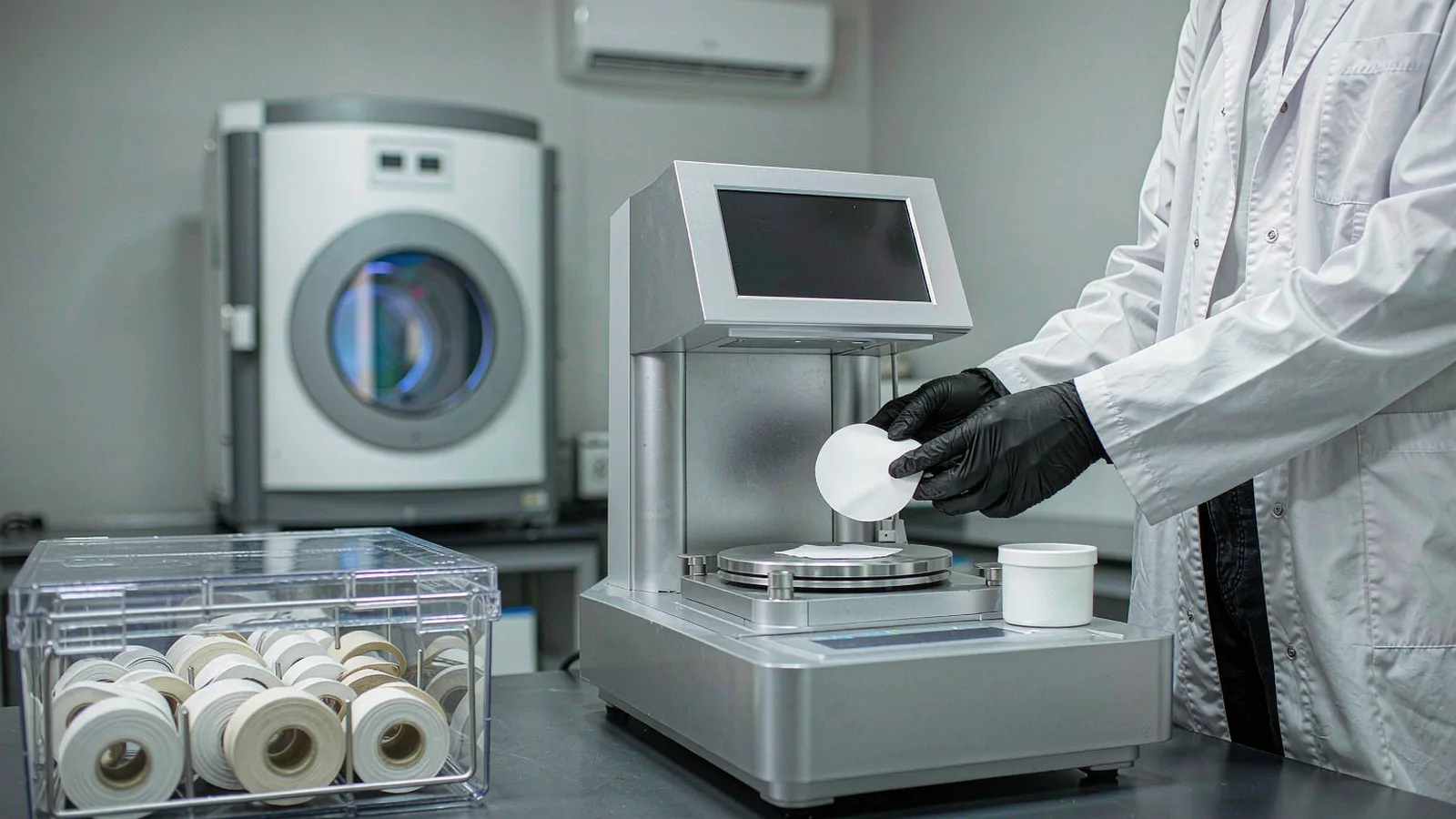
Most baking paper buyers know how to read a specification sheet. Far fewer know how to read a certificate of analysis (COA) — the batch-level document that should accompany every parchment lot they import. A spec sheet describes what a product was designed to be; a COA records what your specific shipment actually tested at. When a complaint lands months later, the COA is what your quality team reaches for first. This guide covers what a credible COA contains, which values to check, and the red flags in supplier paperwork. Every document in our compliance library is tied to a specific construction; see how our baking parchment paper manufacturing programme aligns test reports with the exact grade supplied.
Why a COA Matters More Than a Static Spec Sheet
A specification sheet is a promise; a certificate of analysis is evidence. Spec sheets describe nominal construction and rarely change between orders. A COA records a single production batch's measured results against the declared specification. If a bakery reports sticking on one delivery and not another, the COA tells you whether the paper drifted out of tolerance or the failure lies elsewhere.
The contractual angle matters too. Quality agreements typically require batch documentation with each shipment, and claim terms reference it — a supplier who cannot produce a COA tied to your lot numbers has no defense in a dispute. The factory and certificate library lists the third-party audits and test reports behind these claims.
What a Batch-Specific Baking Paper COA Should Contain
A credible COA is more than a signature on a template. At minimum it should include:
- Product identification. The exact product code matching your purchase order, plus the construction type (e.g., 40 gsm double-sided silicone-coated parchment).
- Batch or lot number. The same number printed on the pallet labels, plus production and shipment dates revealing paper age. Without the lot number, the document has no traceability value.
- Test results with declared limits and methods. Measured value, limit, and method (ISO, TAPPI, or internal) for each parameter — results without limits are meaningless, limits without methods cannot be verified.
- Sampling basis. How many reels were sampled per batch — one per 20-tonne batch proves less than one per reel.
- Authorised signature. Signed by a named quality function at the manufacturing site.
If any element is missing, request a corrected document before goods leave the factory. Documentation scope is confirmed per SKU and destination market, as outlined on our wholesale parchment paper rolls and sheets page.
The Core Tests Buyers Should Expect to See
Grammage (basis weight). Measured in g/m² per ISO 536 with a ±3–5% tolerance; drift affects sheet count per pack and stiffness on automated lines.
Silicone coating weight. Expressed in g/m² per side, the most performance-critical number: under-coating causes release failures, over-coating wastes cost. The method must be stated and consistent between batches.
Grease resistance. Usually a KIT rating (TAPPI T 559) or turpentine penetration value; targets depend on the grade and must be declared in the specification.
Moisture content. Typically 4–8% for parchment: too much causes curl, too little makes sheets brittle.
Tensile, wet strength and release. Wet-tensile retention matters for high-speed lines and wet dough. Some factories also publish a comparative release value against a reference oil or dough system; where not standardized, ask how it is verified per batch.
Red Flags When Reviewing a Supplier COA
Read what is *not* on a COA as carefully as what is. Watch for:
- Identical values on every batch. Results that never vary by a decimal place are copied, not measured.
- Results with no test method. Without a method, no third-party lab can reproduce the result in a dispute.
- Lot numbers that do not match cartons. This breaks traceability and undermines recall procedures.
- Suspiciously clean rounding. Every parameter sitting exactly on nominal is implausible.
- Issued by a non-manufacturer. The issuer should be the mill or converting site named in your supplier audit.
- No retention policy. Reputable factories retain reference samples for 12–24 months so disputed shipments can be retested.
None of these proves the paper is bad — but each means you cannot prove it was good. Buyers verifying these specifications can review the certificate library alongside supplier documentation requests. To make COAs an operational tool rather than a formality, match each lot number to pallet labels on arrival, spot-verify grammage on one lot in five, and trend coating weight and grease resistance across batches — a drifting trendline predicts complaints long before customers report them.
FAQ
What is the difference between a COA and a compliance test report for baking paper?
A COA is batch-specific — it records measured parameters for the exact lot received. A compliance report such as an FDA extraction study or LFGB migration assessment is construction-specific: it proves the design meets a food-contact regulation.
Should every shipment come with a COA?
Yes. First-article documentation proves the product was right once; per-batch COAs prove it stayed right. A supplier that resists providing them is a warning sign.
What if a COA value disagrees with my incoming test?
First verify method equivalence — conditioning differences before testing often explain small grammage and moisture gaps. If methods match and values still exceed tolerance, invoke the retained-sample retest provision.
How long should COAs be kept?
Keep them for the shelf life plus one complaint cycle — two to three years is a practical baseline. They pair with retained samples and traceability records in recalls.
Conclusion
A certificate of analysis is the cheapest quality insurance available to a baking paper importer: it determines whether a release complaint becomes a funded claim or an unresolved argument. Insist on methods and limits, match lot numbers to physical goods, and trend the numbers across batches. Our silicone-coated parchment sheets and rolls programme is audited against the same standards referenced in this guide.
CTA
Planning a new parchment programme or tightening supplier documentation requirements? Request free test samples, the full COA template, and the compliance document package for your destination market — and approve the paperwork before the first container ships.
Sources
- U.S. FDA — Food Contacto Substances: https://www.fda.gov/food/food-ingredients-and-packaging/food-contact-substances-fcs
- BfR — Paper and Board: https://www.bfr.bund.de/en/
- TAPPI — T 559, T 410: https://www.tappi.org/
- ISO 536 — Grammage: https://www.iso.org/standard/62313.html
- European Commission — Food Contacto Materials: https://food.ec.europa.eu/food-safety/food-contact-materials_en