Introduction
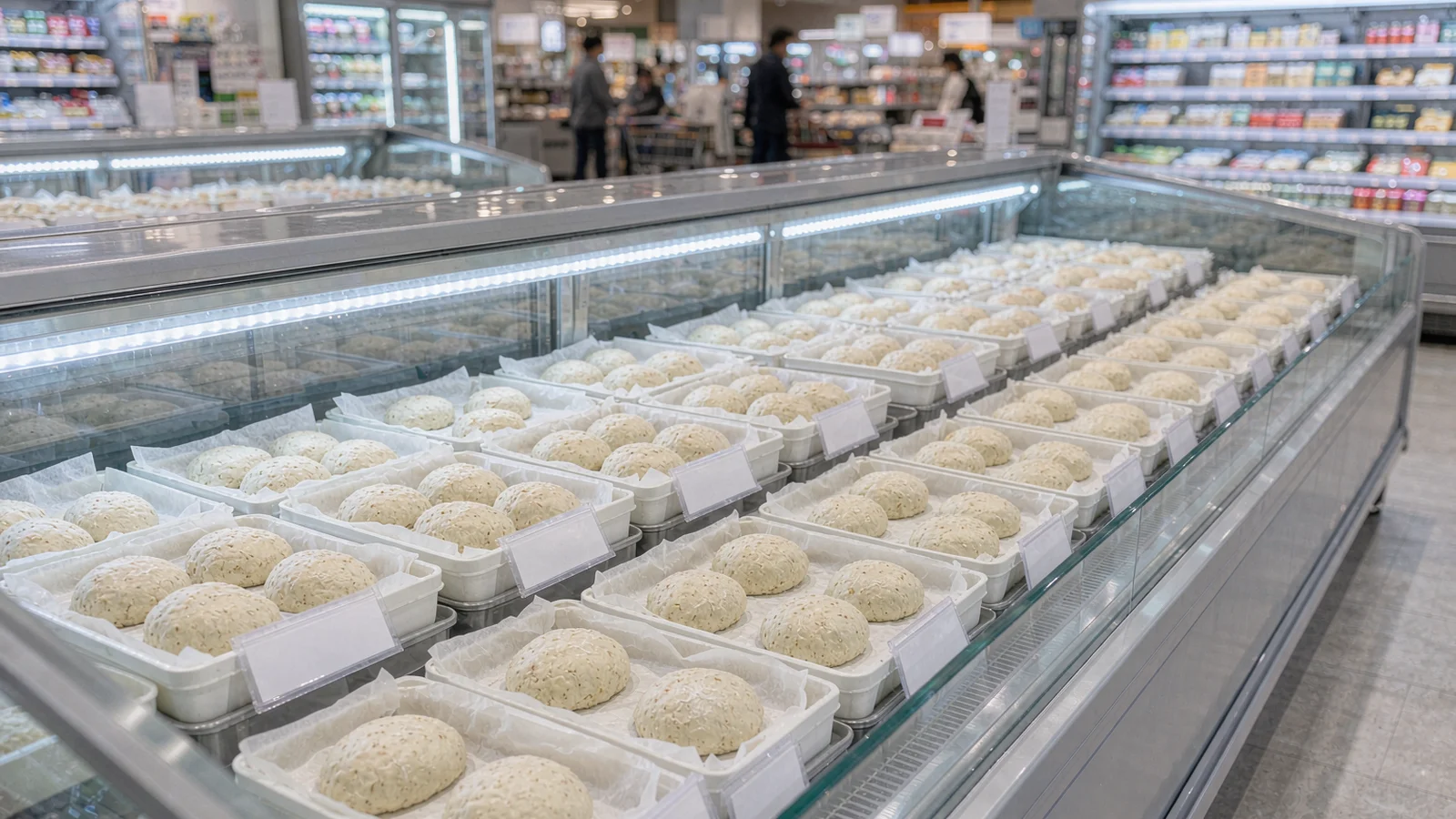
Franchise bakery brands increasingly sell finished experiences, not just ingredients: take-and-bake pizza kits, cookie dough trays, cinnamon roll packs, and ready-to-proof bread kits that move from a central production kitchen to franchise outlets and retail refrigerated cases. Every one of these kits contains at least one paper component, and that component is usually the least specified item in the entire bill of materials. When the paper is wrong, kits leak, dough sticks, bake-off results vary between outlets, and franchisees file complaints that land on the franchisor's quality team. This guide explains how franchisors, co-packers, and central kitchens should specify baking paper for franchise kit programs, from format selection through compliance and printing.
Why Franchise Kit Programs Need Standardized Baking Paper
A franchise system lives or dies on consistency. A customer who buys a kit in one city expects the same bake-off result in another, and the paper inside the kit is part of that promise. Generic retail parchment is not designed for this role: it varies by lot, carries no documented release values, and rarely matches the tray dimensions used in the kit. Central kitchens that assemble kits at scale need paper supplied against a locked specification — grammage, silicone coating weight, sheet dimensions, and tolerance — so that every kit in every territory behaves identically at bake-off.
Standardization also protects unit economics. Kits are costed to the cent, and paper is one of the few components where a specification change can silently alter yield, bake time, or complaint rates. When the paper is locked into the kit specification with documented test data, franchisors can audit performance objectively instead of relying on anecdotal franchisee feedback.
Specifying Paper Formats for Take-and-Bake Kits
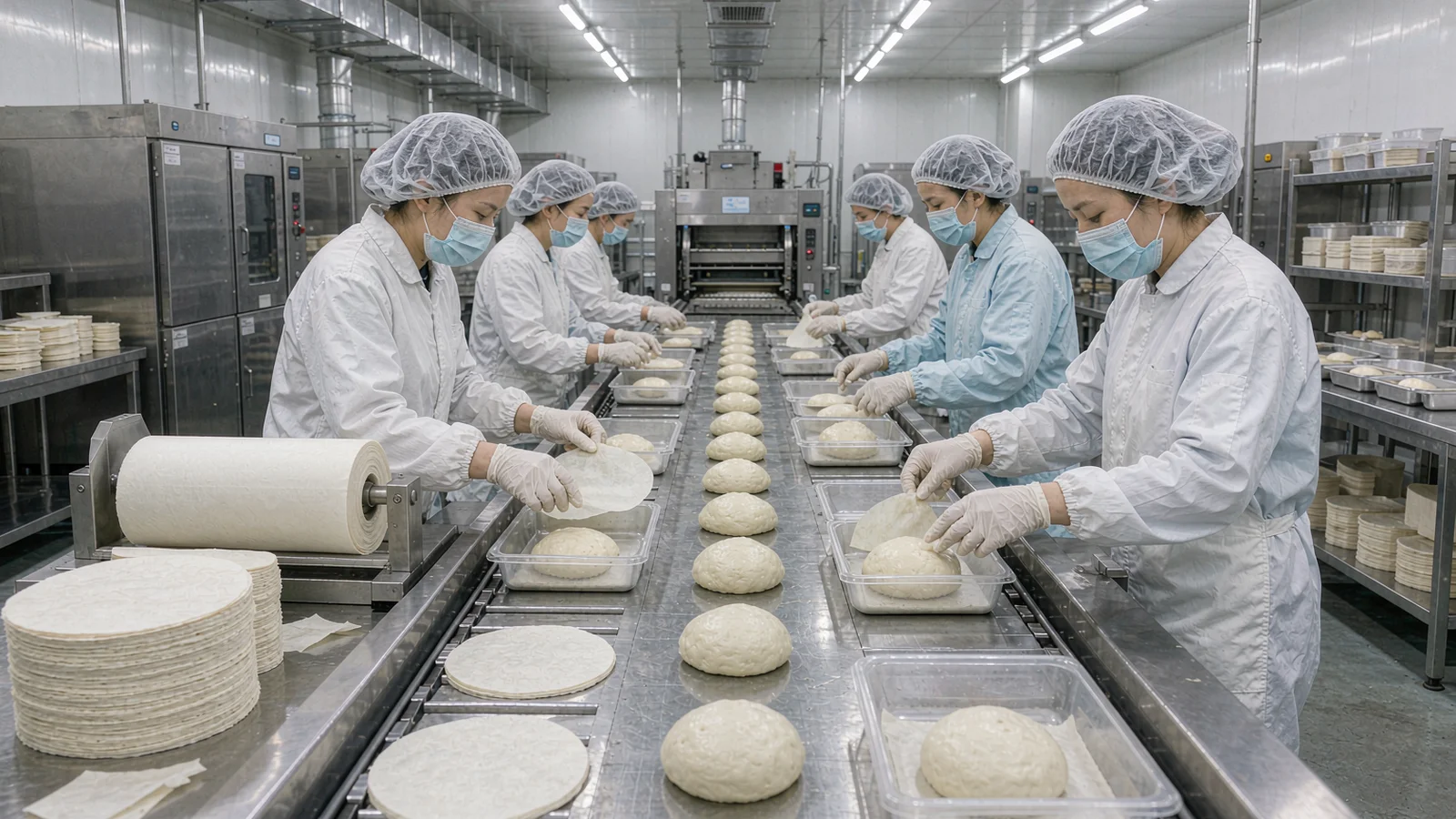
The first decision is format. Kits typically use one of three constructions: die-cut rounds for dough portions and pan bottoms, interfolded or flat sheets for layering and interleaving, and trimmed roll stock for co-packers who convert in-house. Die-cut rounds must match the tray or pan radius with a defined tolerance, because an undersized round exposes the pan and causes sticking, while an oversized round creases into the dough during lidding. Sheets used as interleaves between frozen dough pieces need enough wet strength to survive condensation during cold-chain distribution. Co-packers converting their own formats usually buy jumbo rolls and die-cut at the kit assembly line, which minimizes freight but requires the paper to run cleanly on converting equipment without curl or dusting.
Freezer-to-oven performance is the second filter. Kit components often go from frozen distribution straight into a franchisee's oven, so the paper must release cleanly at bake temperatures without pre-thawing and must not curl when it hits thermal shock. For production volumes, the same construction logic applies to our pre-cut parchment paper sheets and rounds line, quoted per roll, sheet or die-cut format.
Portion Control and Yield: Sheet Sizes That Match Kit Recipes
Franchise kits are portion-count products: twelve cookie dough pucks, eight rolls, two pizza bases. The paper format should enforce that count. Pre-cut sheets sized to the tray footprint force consistent deposition and make line-side count checks trivial for co-pack operators; roll stock, by contrast, invites variable nesting and portion drift across shifts. Buyers should calculate paper yield per kit the same way they calculate film or carton yield — sheets per kit, kits per case, cases per pallet — and lock those numbers into the kit BOM.
A practical specification workflow looks like this: define the tray and pan dimensions first, then request die-cut tooling samples cut from the intended construction, then run a bake trial on the actual franchise recipe at both a central kitchen oven and a representative franchisee oven. The trial should score release, transfer, browning uniformity, and paper integrity after bake. Documenting these results turns the paper from an assumed commodity into a controlled kit component with an audit trail.
Compliance and Documentation Across Franchise Territories
Franchise systems distribute across states, countries, or continents, and the paper inside the kit must clear every destination market's food-contact requirements, not just the home market's. A kit assembled in one country and baked off in another may need FDA food-contact documentation for the US, EU food-contact declarations for European territories, and market-specific requirements elsewhere. Franchisors should require the paper supplier to issue compliance documents against the exact construction shipped, not generic family certificates, and to flag any formulation change that could affect those documents.
PFAS-free position is now a standard franchise question, driven by state-level legislation and retailer requirements where kits are sold. Where a PFAS-free declaration is required, our PFAS-free baking paper programme documents the transition grade by grade. Franchisors should also confirm that ink systems on any printed components in the kit are declared for food-contact use, since kit paper often sits in direct contact with dough for weeks in cold chain.
Private-Label Printing and Brand Presentation in Kits
The paper is often the only branded surface inside the kit, and franchise brands use it: printed rounds under dough portions, printed interleaves carrying bake instructions, printed sheets that become the serving surface after bake-off. Flexo-printed kit paper needs the same discipline as any food-contact print — low-migration ink systems, registration held across repeat orders, and color matched to the brand's franchise standards so outlets in different regions present identically.
Printed paper also carries functional content. Many franchisors print scoring marks, portion guides, or QR codes linking to bake videos directly onto interleaves, which reduces separate instruction cards and improves franchisee compliance with bake-off procedures. Because the print sits on a silicone-coated surface, artwork and ink selection must be validated on the actual construction, not assumed from uncoated proofs. Franchisors planning branded kit components can review our custom printed baking parchment paper specifications, including ink declarations and repeat-order color controls.
FAQ
Q: What grammage works best for baking paper inside take-and-bake kits?
A: Most kit applications use 35–45 gsm parchment, balancing cost, release performance, and wet strength for cold-chain condensation. Heavier constructions suit wet or high-fat doughs; lighter ones suit interleaving dry portions. The correct answer comes from a bake trial against the specific kit recipe.
Q: Should we buy sheets, die-cut rounds, or roll stock for kit assembly?
A: It depends on where conversion happens. Co-packers with in-house die-cutting often prefer jumbo roll stock for freight efficiency; central kitchens assembling kits manually usually get better consistency and portion control from pre-cut sheets and rounds supplied to tolerance.
Q: How do we keep paper consistent across multiple franchise territories?
A: Lock the paper specification into the kit BOM with named construction, grammage, coating weight, and dimension tolerances, then require the supplier to quote and document against that exact spec. Multi-site buyers typically consolidate on one qualified construction rather than qualifying a different paper per region.
Q: What compliance documents should franchisors request from the paper supplier?
A: At minimum: food-contact declarations for every destination market, a PFAS-free statement where required, and test reports tied to the exact construction shipped. Suppliers should notify the buyer before any construction change that could affect those documents.
Q: Can baking paper inside kits be printed with our brand and bake instructions?
A: Yes. Food-grade flexo printing on silicone-coated parchment is standard, with low-migration inks declared for direct food contact. Artwork should be proofed on the actual coated construction because ink holdout differs from uncoated papers.
Conclusion
Baking paper is a small line item in a franchise kit BOM but a large lever on franchisee experience: it controls bake-off consistency, portion discipline, and the branded moment when the customer opens the box. Franchisors that specify kit paper with the same rigor as dough, tray, and carton — locked construction, documented release and compliance data, and validated printing — remove a whole category of cross-territory complaints. The factory and certificate library lists the third-party audits and test reports behind these claims. Start the specification with tray dimensions and the kit recipe, validate with a two-oven bake trial, and the paper will hold its place in the kit for years. For franchisors standardizing one qualified construction across a system, our private-label parchment paper supplier programme quotes per format with repeat-order documentation included.
CTA
Planning a take-and-bake or ready-to-bake kit program? LANGMAI supplies silicone-coated baking parchment in sheets, die-cut rounds, and roll stock for franchise central kitchens and co-packers, with food-contact documentation and private-label printing under one factory roof. Send us your tray dimensions and kit recipe for samples and a per-kit paper yield quote.
Sources
- International Franchise Association — https://www.franchise.org
- U.S. FDA, Food اتصل بنا Substances — https://www.fda.gov/food/food-additives-petitions/food-contact-substances-fcs
- FMI | The Food Industry Association — https://www.fmi.org